The Woodlands Villages Explained for Homebuyers
December 18, 2025
December 18, 2025
Confused by how “villages” work in The Woodlands? You’re not alone. If you’re relocating or moving up, the village system can feel complex at first glance. The good news is that once you understand the structure, you can quickly narrow your search to the neighborhoods that fit your life. This guide breaks it down in plain English so you can shop with confidence. Let’s dive in.
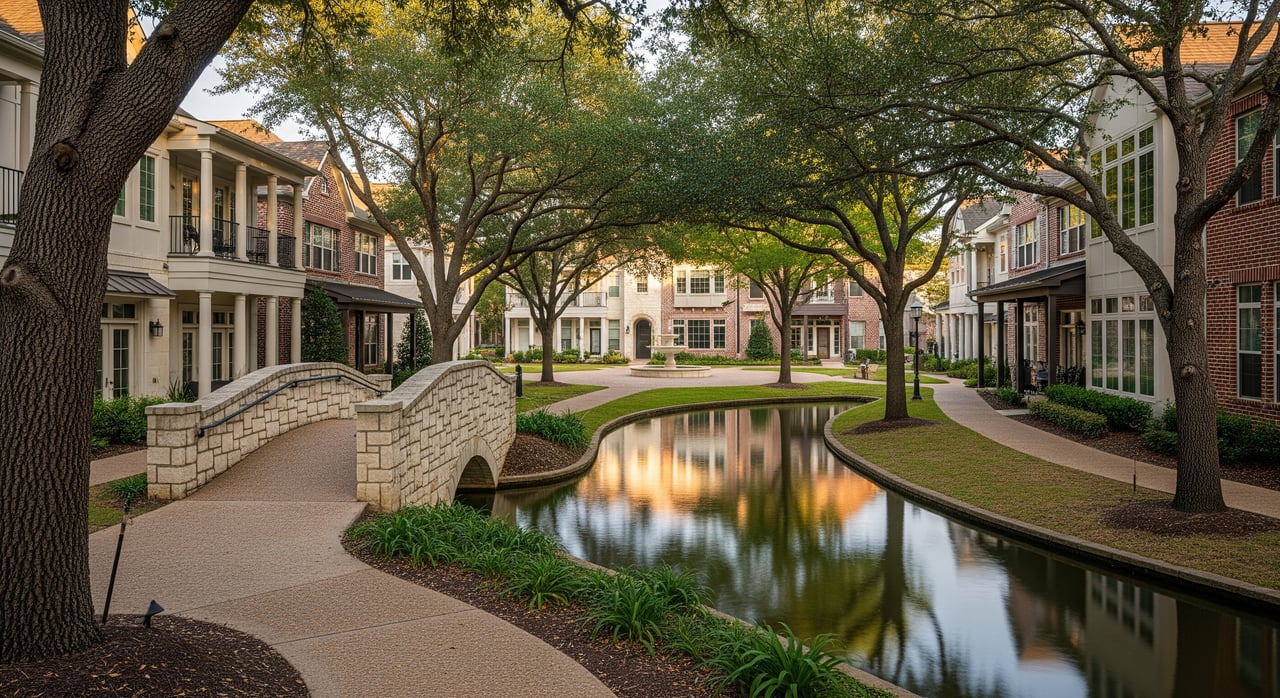
A village in The Woodlands is a larger area that includes several individual neighborhoods. Think of a village as the umbrella and neighborhoods as the pockets underneath. Most villages include a small retail center, nearby parks and pools, and one or more elementary schools.
Within a single village, you’ll find different lot sizes, home styles, ages of construction, and price points. That means you can target a village you like, then choose the specific neighborhood that matches your budget and wish list.
The Woodlands Township provides many local services similar to a city, including parks and trails upkeep, events, public safety programs, and trash and recycling administration. It is not a city, but it does coordinate essential services that shape daily life.
Most neighborhoods also have HOAs and deed restrictions. Some enclaves are gated or tied to a country club and may have extra rules, fees, and private amenities. Properties fall under county appraisal districts and various utility providers, so you should confirm tax jurisdictions, school districts, and any municipal utility districts for each home you consider.
You can think of villages in four broad categories. Each offers a different lifestyle and price dynamic.
The Woodlands Town Center is the community’s commercial and cultural heart. It blends shopping, dining, office space, hotels, and entertainment in one mixed-use area. If you like an active, walkable scene with concerts and seasonal events, living near Town Center can be a smart fit.
If you prefer quieter streets and bigger yards, you can still enjoy Town Center within a short drive. Your choice is really about daily walkability versus privacy and space at home.
The Woodlands is stitched together by an extensive trail and greenbelt network that connects villages to parks, schools, and Town Center. For many families, trail access is a quality-of-life boost. Kids can bike to nearby parks, and you can skip the car for short trips.
Because some trails and greenways follow waterways and detention areas, it’s wise to review floodplain and elevation details for any property near creeks, ponds, or lakes. Proximity to water can be scenic, but you want the right data before you buy.
Most villages include or sit next to elementary and sometimes middle schools. High schools serve multiple villages, so commute time for teens is worth checking. School attendance zones change, so always verify current boundaries and performance data for your address.
Daily errands are straightforward. Village centers typically offer grocery, pharmacy, banks, and quick dining, while Town Center and other large nodes provide specialty retail and more restaurants. Several major medical systems operate hospitals and specialty clinics in or near The Woodlands, which is helpful for families and older buyers.
Primary parkways link villages to Town Center and to regional highways. Commute times vary by village and time of day, so test your route at the hours you’ll drive. Public transit options exist in limited forms, including community shuttles or park-and-ride services at times, but most residents rely on cars. If transit matters to you, confirm current offerings before you decide on a village.
Your property tax bill includes county, school district, The Woodlands Township, and any special district or MUD charges. Exemptions such as homestead can lower your burden, so factor them into monthly costs.
Water, sewer, and drainage can vary by address. Some homes are in municipal utility districts, others on county systems. Ask for providers, typical monthly fees, and any planned rate changes. Review HOA covenants, architectural rules, and rental policies to make sure they match your plans.
Start by ranking lifestyle priorities, then match them to village types:
Relocating families often prioritize schools, parks, and yard space. That usually points to family-focused villages with easy trail access and everyday retail close by. Move-up buyers might seek larger homes near golf or club amenities and accept a slightly longer drive for that lifestyle.
If you want a balanced approach, target villages that offer quick access to a major parkway for commuting, but are still minutes from Town Center for dining and events. Your agent should help you weigh these tradeoffs against future resale value and renovation potential.
Choosing the right village is about matching your daily routine to the built-in conveniences of each area. If you want help mapping commute times, verifying taxes and utilities, and stress-testing renovation budgets, we’re here to guide you. Reach out to Liv Texas to start your village-by-village plan with local insight and a calm, consultative approach.
Stay up to date on the latest real estate trends.
Real Estate
Danny Garcia | October 8, 2026
Real Estate
Danny Garcia | October 8, 2026
April 23, 2026
April 16, 2026
April 2, 2026
March 24, 2026
March 5, 2026
February 19, 2026
February 5, 2026
You’ve got questions and we can’t wait to answer them.