Living in The Heights Houston: Everyday Neighborhood Guide
February 5, 2026
February 5, 2026
If your perfect morning starts with a short stroll to coffee, a tree-lined jog, and a quick drive downtown, The Heights might already feel like home. This historic Houston district blends bungalow charm with modern energy, giving you options whether you want a quiet porch or a lively patio. In this guide, you’ll get a feel for daily life, housing styles, walkable pockets, parks, commuting options, and practical buyer checks that matter in The Heights. Let’s dive in.
Imagine stepping out to a neighborhood cafe, swinging by a boutique on 19th Street, then meeting friends on a patio along Studewood or White Oak later that evening. Many blocks in The Heights support short daily walks for coffee, errands, and dinner. Other blocks are more car-oriented, so your experience will vary by street.
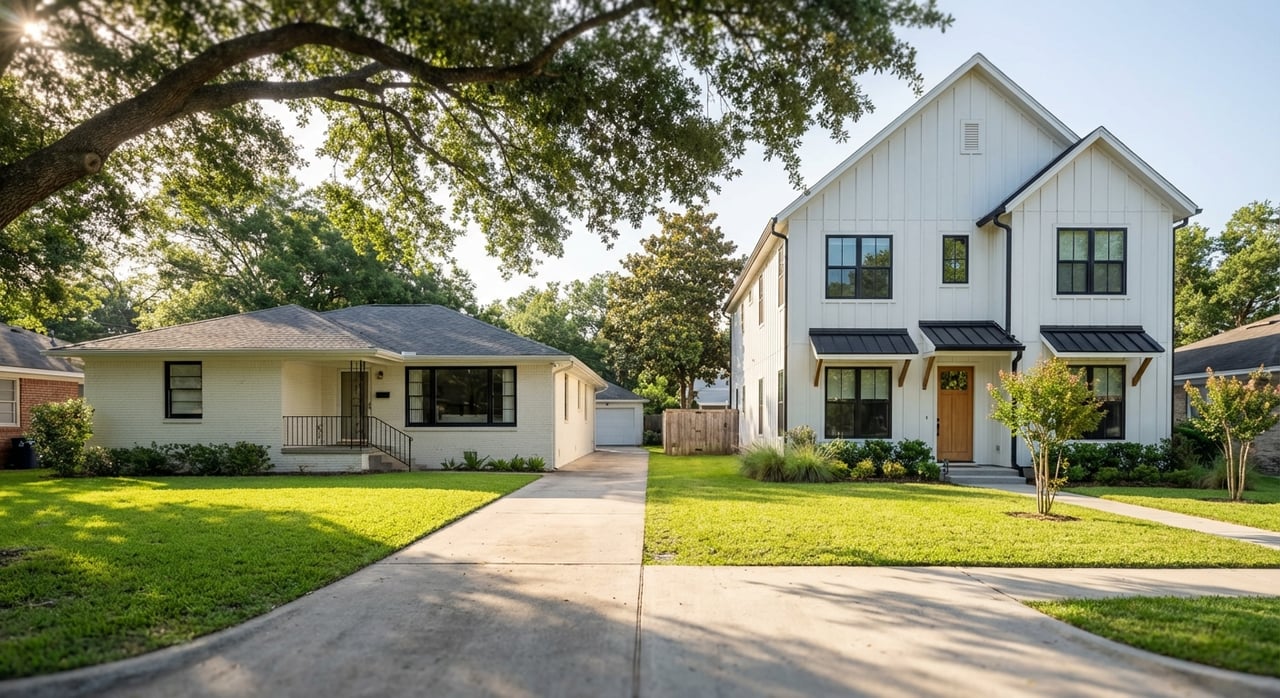
A key part of The Heights’ appeal is the mix of old and new. You’ll see original cottages and craftsman bungalows next to modern townhomes and new single-family builds. That blend creates a neighborhood feel that’s urban but still leafy in many areas.
You’ll also notice how locals talk about “pockets” rather than one center. 19th Street, Heights Boulevard, 11th Street, and the Studewood/White Oak corridors each offer their own rhythm. You can tailor your day to whichever pocket suits your routine.
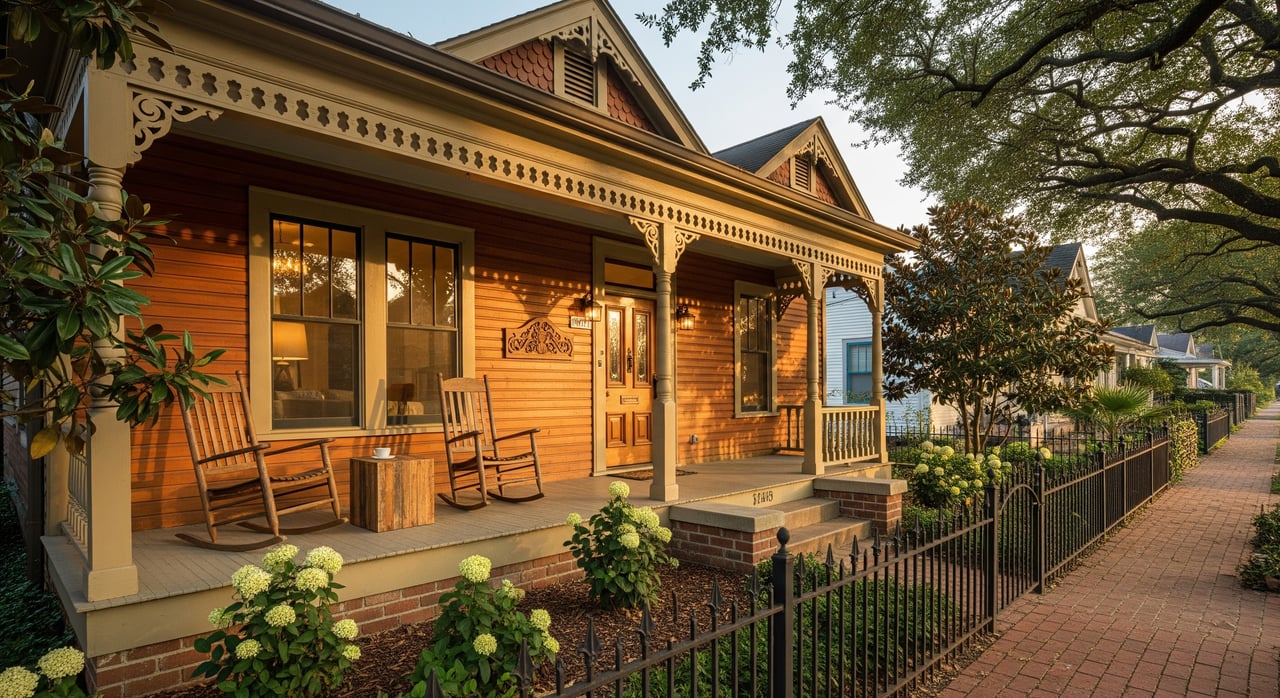
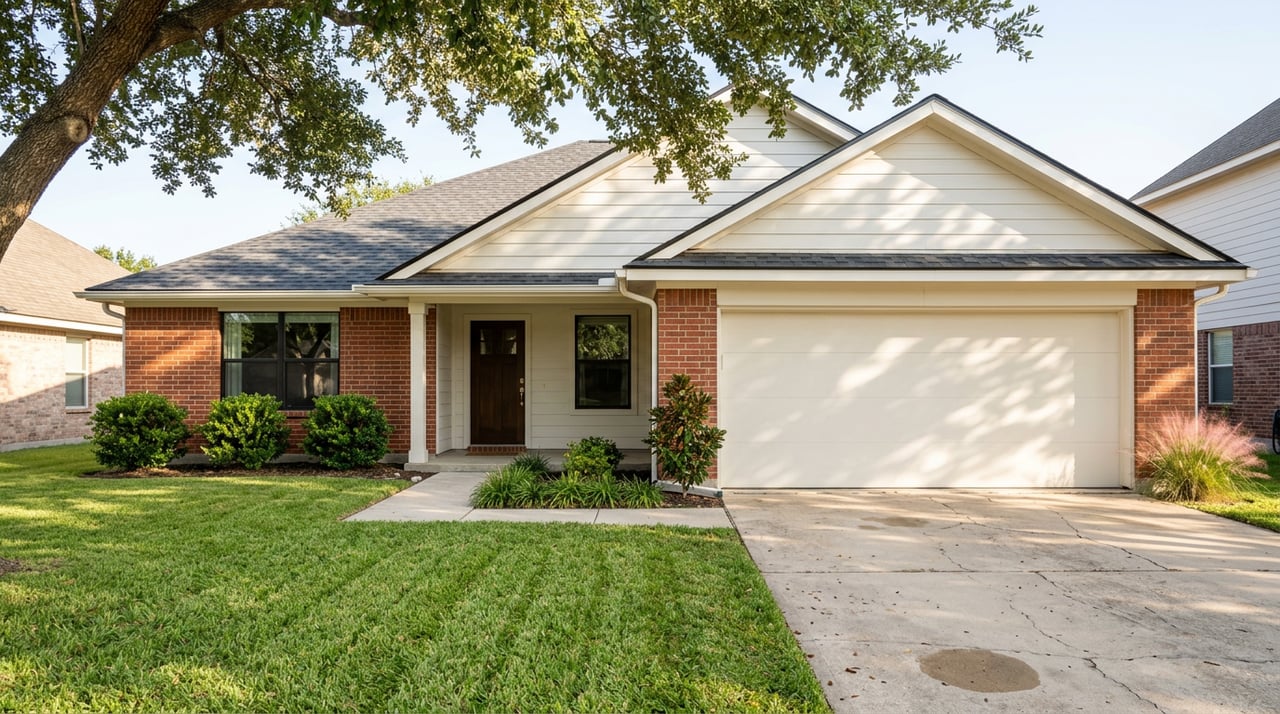
Many original homes date to the late 19th and early 20th centuries. You’ll find craftsman bungalows, shotgun and Victorian-era cottages, and classic front porches on narrow lots. These homes anchor The Heights’ historic identity and contribute to its distinctive streetscape. For a broad historical overview, you can review the area’s background on the Houston Heights page on Wikipedia.
If you love character details and walkable blocks near older commercial corridors, this style may fit your wish list. Plan for careful inspections. Older homes can have non-conforming systems, and foundation or plumbing updates are common project items.
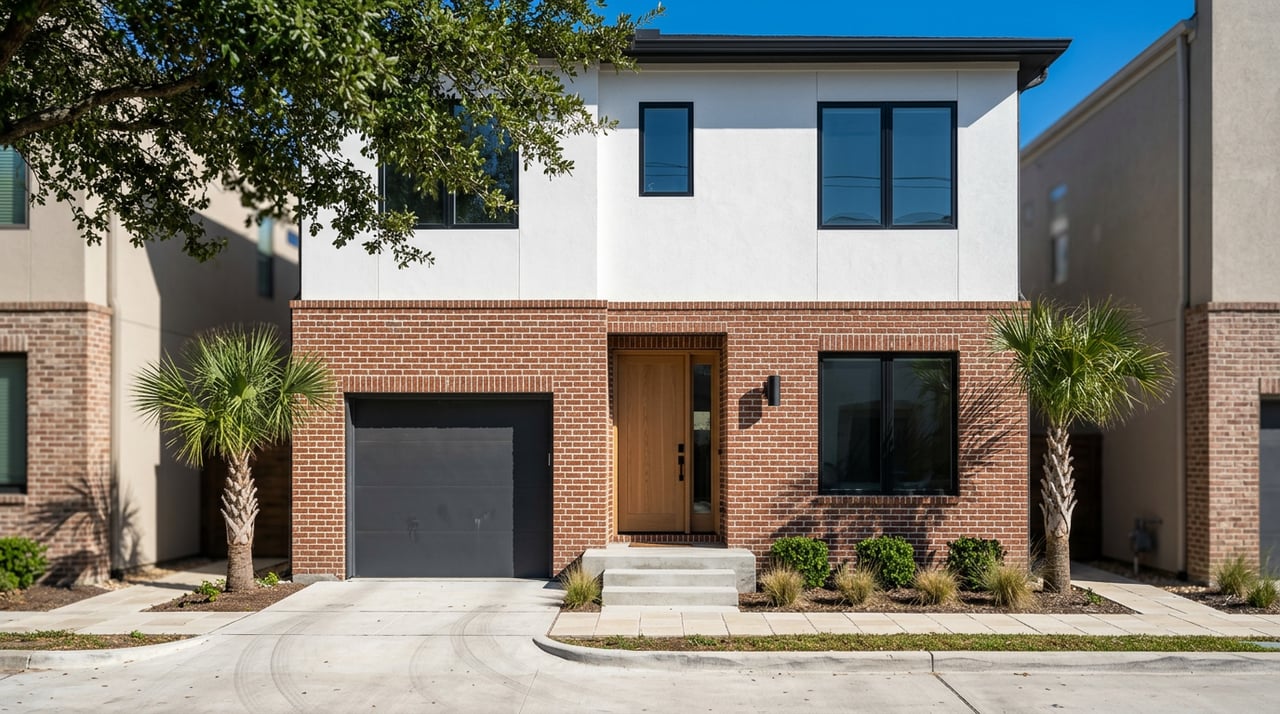
Infill development has brought a large selection of two- and three-story townhomes and modern single-family houses. These often offer open layouts, attached garages, and low-maintenance yards. Some townhome clusters include small courtyards, while newer single-family builds may sit on larger or re-platted lots.
If you prioritize newer systems, generous square footage, and attached parking, these homes can be compelling. Prices and lot sizes vary widely by micro-location.
Renovated cottages are common, but quality varies. Always check permits and ask for documentation of major work. The Heights also includes areas with historic-designation overlays that can affect additions or demolitions. You can review standards and overlays via the City of Houston Planning Department, and search permitting guidance through the Houston Permitting Center.
On resale potential, walkable pockets and homes with strong curb appeal typically attract steady demand. That said, micro-markets can vary block by block. A local, data-driven approach is essential when you evaluate price and timing.
19th Street offers classic storefronts, boutiques, and casual eats. Heights Boulevard adds scenic runs, dog walks, and weekend browsing within a leafy setting. These corridors reflect a pedestrian-friendly vibe in sections, but walkability can change within just a few blocks.
Along 11th Street, you’ll find diverse restaurants and coffee spots, with quick access to residential streets. The White Oak and Studewood corridors are popular for dinner, craft beverages, and low-key nightlife. Expect turnover typical of urban districts, with new openings and evolving concepts.
Farmers markets, neighborhood pop-ups, and seasonal events are part of the local rhythm. Calendars are often managed by civic groups and business associations. Weekends bring foot traffic to cafe patios, and you’ll see neighbors out for walks or bike rides.
The Heights ties into the broader Bayou Greenways network, giving you access to linear parks and trails. The White Oak Bayou trail supports both recreation and commuting by bike in sections. You can learn more about these greenways and ongoing projects through the Houston Parks Board.
Because bayous are integral to Houston’s drainage system, keep flood awareness on your checklist. For drainage information and project updates across the county, explore the Harris County Flood Control District.
Pocket parks and small playgrounds dot the area, and mature street trees lend a pleasant, shaded feel to many blocks. Some parks are tucked into residential streets, while others sit near commercial corridors. If outdoor time is a priority, map out the closest park options to the homes you’re considering.
The Heights sits north of downtown and generally south of I-610, so many pockets are a short drive to downtown during off-peak hours. Commutes to the Galleria, Texas Medical Center, or the Energy Corridor can be longer and are sensitive to peak congestion. Local traffic can bottleneck along key arterials during rush hours, so test your commute at the times you expect to drive.
The Heights has limited fixed-rail service within its core. Bus routes and connections to nearby rail are the most common transit choices. Routes can change, so confirm current service through METRO. Park-and-ride options or a multimodal commute can be workable depending on your location and schedule.
In many sections, tree-lined streets and bayou trails make bike commuting feasible for nearby trips. Infrastructure varies by street, so plan routes that use designated bike lanes or lower-traffic side streets when possible. Secure bike storage is a helpful feature to seek in homes or townhomes.
Most of The Heights is served by Houston ISD, and there are private-school options in and near the neighborhood. Attendance zones and enrollment policies can change over time. Always verify current zoning directly with the district and confirm any admissions requirements for private options. You’ll also find local childcare centers, after-school programs, and parks that support youth activities, though availability can be competitive in popular pockets.
Flood risk varies sharply by parcel, especially near White Oak Bayou and other low-lying corridors. As part of your due diligence:
Parts of The Heights fall under historic-preservation overlays that guide exterior changes. Before you renovate or add on, confirm the applicable standards with the City of Houston Planning Department and check permit requirements via the Houston Permitting Center. If you’re buying a renovated home, request documentation for major work and verify permits.
For older homes, plan thorough inspections focused on foundations, electrical systems, plumbing, and roofs. Clarify what has been updated versus what remains original. If you’re considering a value-add purchase, build a realistic budget and timeline. Local contractors can be in high demand, which may affect scheduling.
Houston’s property tax bill typically includes city, county, school district, and special district components. The Heights often carries higher assessed values than many parts of the metro, which affects monthly payments. Verify parcel-specific data through the Harris County Appraisal District and confirm exemptions you may qualify for.
Consider how you like to live day to day. If you want short walks to coffee, easy access to bike trails, and a mix of historic charm and modern options, The Heights is worth a close look. If you prefer larger lots and quieter streets with fewer commercial nodes, target residential pockets a few blocks off the main corridors.
Use this quick checklist as you start your search:
When you’re ready to explore The Heights, work with a team that blends neighborhood expertise with practical renovation and financing guidance. With the right plan, you can align lifestyle, budget, and long-term value.
Ready to tour homes or talk strategy for The Heights? Reach out to Liv Texas for a friendly, consultative game plan that fits your goals.
Stay up to date on the latest real estate trends.
Real Estate
Danny Garcia | October 8, 2026
Real Estate
Danny Garcia | October 8, 2026
April 23, 2026
April 16, 2026
April 2, 2026
March 24, 2026
March 5, 2026
February 19, 2026
February 5, 2026
You’ve got questions and we can’t wait to answer them.