Oak Forest vs The Heights: Find Your NW Houston Fit
February 19, 2026
February 19, 2026
Torn between Oak Forest and The Heights for your next Houston home? You are not alone. Both areas are popular for good reasons, but they offer very different tradeoffs in space, lifestyle, and rules for building or renovating. In this guide, you will see how prices, lot sizes, walkability, commutes, and renovation factors compare so you can pick the right fit. Let’s dive in.
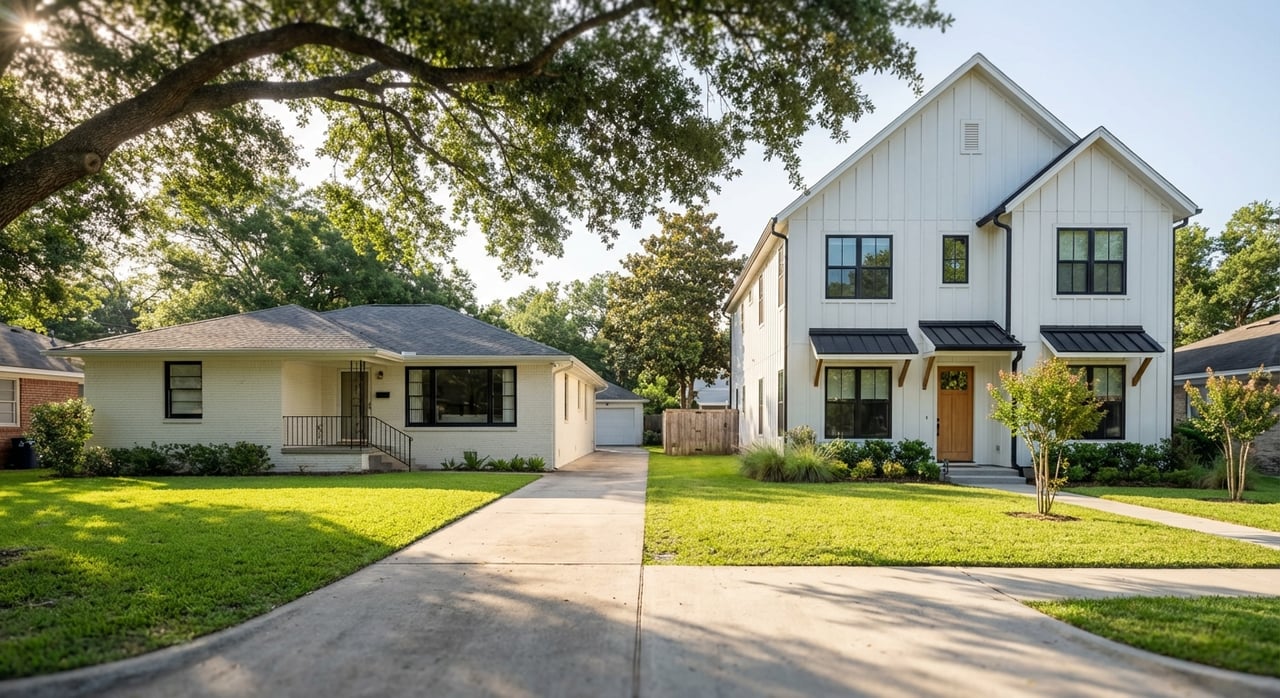
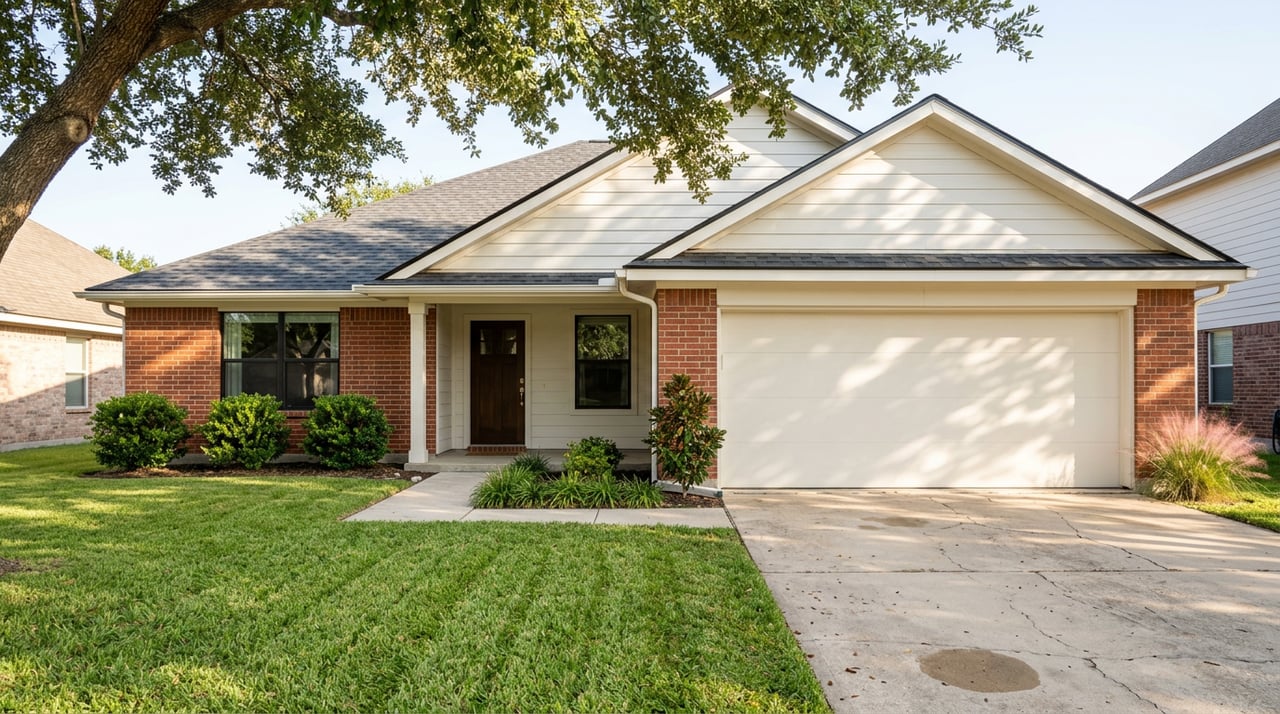
If you want a larger yard, Oak Forest usually gives you more land for the money. Analysts show Oak Forest lots commonly in the 6,000 to 12,000 plus square foot range in many sections. This is a key reason buyers choose it for future additions, pools, or detached garages. See local lot patterns in this Oak Forest overview.
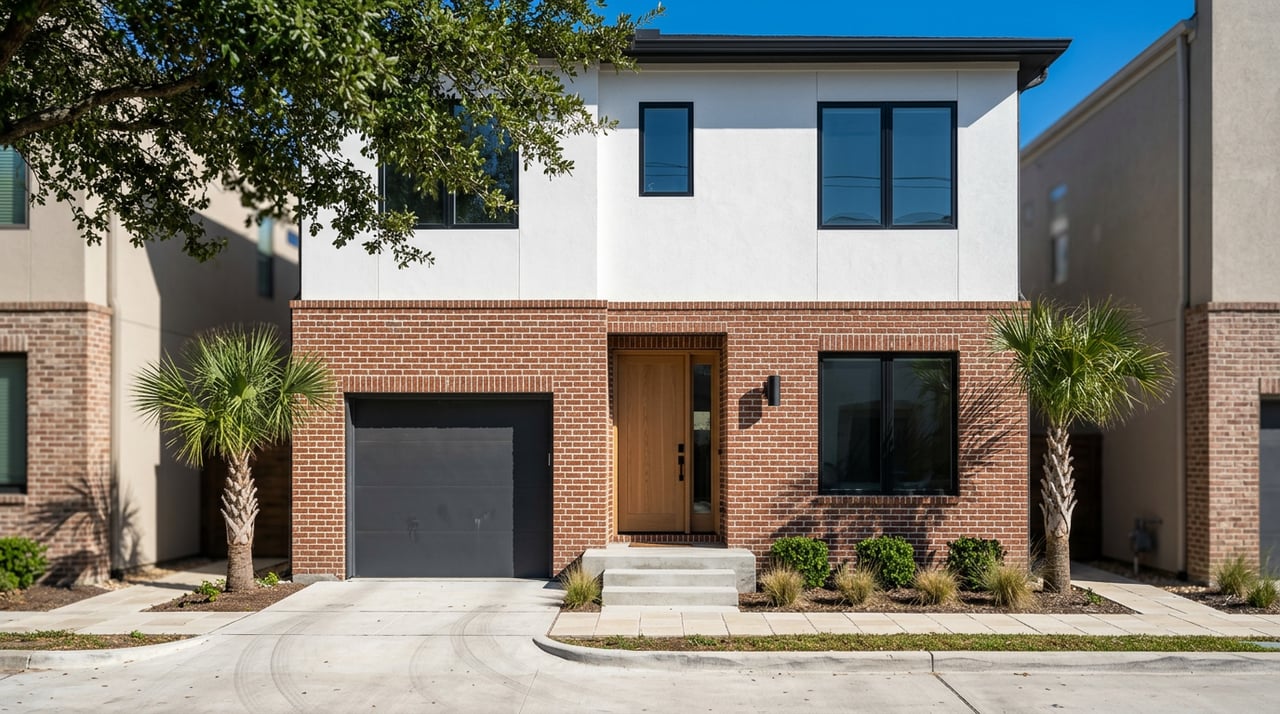
In the Heights, typical lots are often smaller, frequently in the 4,000 to 7,500 square foot range, with some larger parcels mixed in. Narrower lots can shape how new homes are designed, often going taller or using more of the footprint. The tradeoff is a closer-in address with a historic streetscape.
Renovation and rebuilds happen in both areas. Oak Forest’s larger footprints make major additions or teardowns more straightforward on many blocks. In the Heights, you will find both preserved early-20th-century homes and modern infill, with rules that may affect exterior changes if the property sits inside a designated historic district.
Oak Forest feels more residential with tree-lined streets and low-key commercial pockets. Local parks and civic groups are active, and the area is described by the city within its super neighborhood profile. Explore the City of Houston’s Oak Forest page to get a sense of the neighborhood framework.
Walkability is stronger in the Heights. You will find restaurants, shops, and everyday services along 19th Street, Heights Boulevard, and nearby mixed-use destinations. Trails along the bayous add bike and recreation options. Oak Forest’s overall Walk Score sits around the 50 range, so most errands require a car; see Walk Score’s Oak Forest snapshot for context.
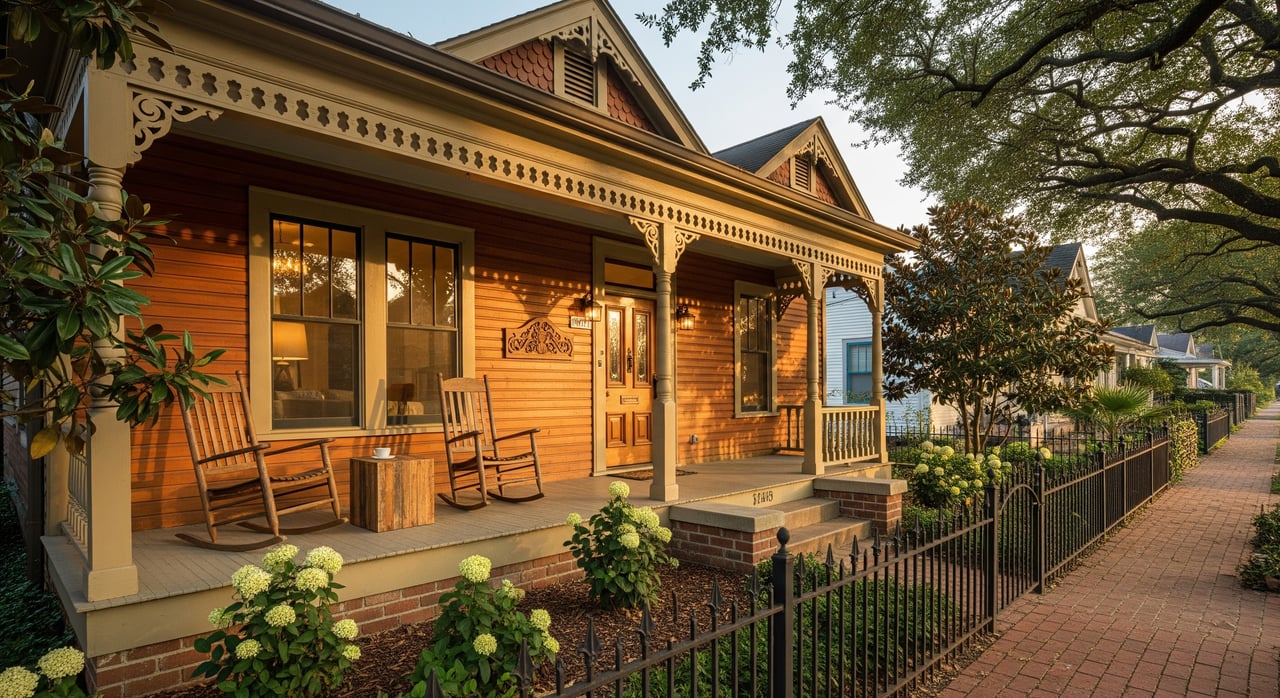
The Heights is one of Houston’s oldest streetcar-era neighborhoods. Its early homes, porches, and esplanades are part of what people value here. Learn about its roots from the Houston Heights Association’s history overview.
Parts of the Heights fall under city historic-district overlays. If a property sits inside one of these areas, exterior changes usually need a Certificate of Appropriateness before work begins. That can shape timelines, materials, and design choices. For an overview of features and review areas, see the city’s Historic Preservation Manual for the Heights.
Oak Forest, developed largely after World War II, features many mid-century ranches and traditional homes. You will see a mix of updated originals and recent new construction on larger lots. Community anchors include neighborhood parks and active parent groups. For a neutral reference on community involvement, see the Oak Forest Elementary PTA profile.
Drive times change with traffic, but general patterns are clear:
For a practical overview of these commute patterns, review this local Heights pros and cons guide, then map your actual route at typical times.
Both neighborhoods show strong demand, and medians can look similar at a glance. The bigger gap often shows up in price per square foot, which tends to run higher in the Heights due to its closer-in location and walkability. Recent snapshots in public data place the Heights above Oak Forest on a per-foot basis, while actual sale prices vary by block, lot size, and whether the home is new or renovated. For current medians and examples, start with HAR’s neighborhood snapshot and compare active listings in your target pocket.
Flood risk in Houston varies street by street. Before you get attached to a home or a build plan, pull the parcel in the county’s tool, and verify the latest FEMA information. Draft updates in early 2026 may shift zones for some addresses. Use Harris County’s MAAPnext portal to review risk, and plan for insurance and mitigation steps if needed.
If you plan to update or build, align your budget and timeline with these early checks:
Flood and elevation: Verify the parcel in MAAPnext and review the current effective FEMA map. Account for drainage, elevation, and insurance in your numbers.
Zoning and restrictions: Houston does not use conventional citywide zoning. Instead, deed restrictions, HOA rules, and any historic overlays guide what you can build. Confirm restrictions and any design guidelines before you draw plans.
Site constraints: Expect narrower footprints and potential variance needs on smaller Heights lots. On larger Oak Forest lots, plan for tree protection, driveway placement, and possible stormwater improvements. Get a site survey early.
Schools and commute: If school assignments matter, verify the exact HISD attendance zone for the address and consider school choice programs. Test drive your commute at typical hours.
Choose Oak Forest if you want larger lots, more room to expand, and a quieter residential setting inside the city. It is a strong match if you value yard space, potential for additions, and more interior square footage per dollar. Review typical lot sizes and patterns in this Oak Forest market overview.
Choose the Heights if you prioritize walkability, frequent restaurants and shops nearby, and shorter drives to Downtown with good trail connections. It is a fit if you appreciate early-20th-century architecture and you are comfortable navigating design rules in any historic overlays.
You deserve advice that looks beyond the listing. At Liv Texas, our founder’s background in construction, lending, and investment helps you weigh space, renovation scope, and long-term value with clear numbers. We help you:
Ready to see how these tradeoffs look in real homes and on real streets? Reach out to Liv Texas and let’s plan your next move.
Stay up to date on the latest real estate trends.
Real Estate
Danny Garcia | October 8, 2026
Real Estate
Danny Garcia | October 8, 2026
April 23, 2026
April 16, 2026
April 2, 2026
March 24, 2026
March 5, 2026
February 19, 2026
February 5, 2026
You’ve got questions and we can’t wait to answer them.