Buying A Rental Property In Cypress: Key Factors To Review
April 2, 2026
April 2, 2026
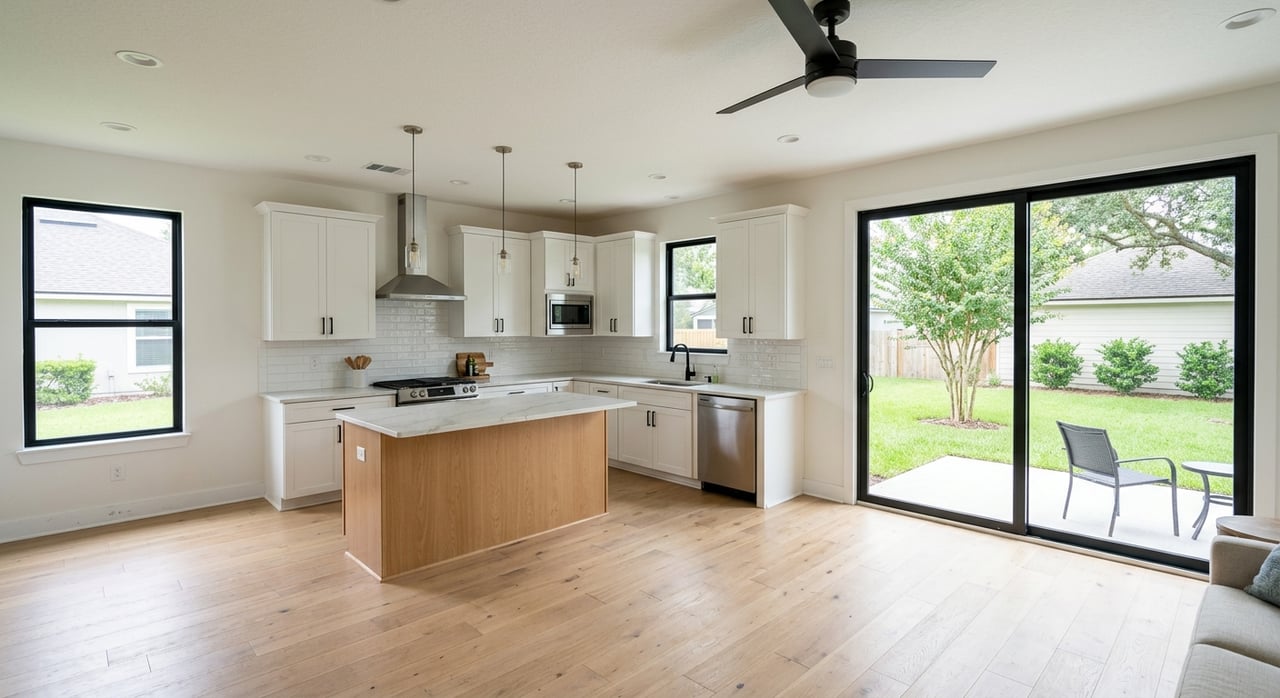
Thinking about buying a rental property in Cypress? It can look promising at first glance, especially in a market where buyers have more room to negotiate. But a rental that seems good on paper can feel very different once you factor in taxes, HOA dues, MUD charges, flood risk, HVAC costs, and real neighborhood rent data. This guide walks you through the key numbers and property details to review so you can make a smarter investment decision in Cypress. Let’s dive in.
Before you analyze a specific property, it helps to zoom out and look at the broader Cypress market. As of March 2026, Realtor.com describes Cypress as a buyer's market, with a median listing price of $430,000, median rent of $2,300, 1,887 active listings, and a median 42 days on market.
That same market snapshot suggests Cypress may reward discipline more than speculation. Using the median rent and median listing price, the rough gross rent-to-price ratio is about 6.4% before taxes, insurance, HOA fees, MUD charges, vacancy, and maintenance. In other words, you should treat that number as a quick screening tool, not proof that a deal will cash flow.
Recent pricing data also points to a softer market tone. Zillow’s January 2026 home value index for Cypress put the average home value at $399,501, down 1.6% year over year. That does not mean appreciation is off the table, but it does mean you should not rely on future price growth to rescue a weak deal.
One of the biggest mistakes rental buyers make is underwriting Cypress as if every section performs the same way. It does not. Prices and rents can vary meaningfully from one neighborhood to another.
For example, Realtor.com shows Towne Lake with a median home price of $620,000 and a median rent of $2,425. In Villages of Cypress Lakes, the median home price is $367,500 and the median rent is $2,362.
That gap matters. A home in a higher-priced area may still attract renters, but the rent may not rise enough to support the higher purchase price and carrying costs. When you review a property, compare it against nearby rental comps and sale comps in that specific neighborhood, not just Cypress-wide averages.
If you are buying a rental in Cypress, cash flow should come first. Appreciation can happen over time, but the current market data does not support building your whole strategy around rapid price growth.
A good review starts with the all-in monthly payment. That means principal and interest, property taxes, insurance, expected maintenance, vacancy allowance, and any recurring fees tied to the property. If the property is in a community with HOA dues or district charges, those need to be included from day one.
This is especially important in Harris County, where the monthly cost picture can change quickly once local expenses are added in. A property that looks fine based on rent and mortgage alone may feel much tighter after taxes, insurance, and neighborhood-specific fees are added. Conservative assumptions usually lead to better long-term decisions.
Taxes are a major part of rental underwriting in Harris County. According to HCAD’s guide to the property tax process, property taxes are based on values determined by HCAD and rates set by local taxing units.
It is also important to remember that homestead exemptions apply to an owner’s primary residence and are not automatic. If you are buying a property as a rental, you should not assume the current tax setup will carry over to you.
That means you need to review the current tax bill and model taxes realistically for non-owner-occupied use. This step alone can make a big difference in whether a property still works as an investment.
In Cypress, a municipal utility district can affect your monthly ownership costs. The Texas Commission on Environmental Quality explains that a MUD provides utility services to a designated area, and properties in a district may be subject to district taxes, assessments, bonds, and related charges.
Those costs are easy to miss if you focus only on the sale price. They are also not included in the purchase price itself. That is why checking whether the address sits inside a MUD should be part of your early due diligence, not something you review at the last minute.
For rental buyers, this matters because district costs directly affect cash flow. If two similar homes have different tax and district structures, the lower-cost property may be the better investment even if the headline purchase price is a little higher.
If the home is in a planned community, you may also have HOA dues to budget for. The Consumer Financial Protection Bureau notes that HOA dues are usually paid directly to the association and are not included in your monthly mortgage payment.
That makes HOA dues easy to underestimate when you first run numbers. The U.S. Census Bureau also reports that HOA fees vary widely, with some households paying more than $500 per month.
An HOA is not automatically a negative for investors. But it is a real expense, and it can affect your net income. Before making an offer, review the current dues and any rules that could affect leasing, maintenance responsibilities, or tenant use of the property.
A rental home does not need every luxury upgrade to perform well. In many cases, practical features matter more than flashy ones.
According to Zillow’s rental feature analysis, off-street parking and in-unit laundry are among the most in-demand renter features. The same analysis found that a pet-friendly patch of turf increased daily saves by 76% and daily shares by 91% on Zillow Rentals.
For a Cypress single-family rental, that points to features like:
These are not flashy extras. They are functional features that can help your home lease faster and reduce tenant turnover.
Cypress rental buyers should pay close attention to systems that handle heat, humidity, and rain. In the Houston area, the National Weather Service reports average highs of 92.3°F in June and 94.5°F in July, along with 51.84 inches of annual rainfall.
That climate profile makes cooling performance, drainage, and moisture control especially important. A property with an aging air-conditioning system, poor grading, or signs of water intrusion may cost more to own than you expected.
ENERGY STAR recommends annual pre-season HVAC checkups, condensate drain inspections, coil cleaning, and monthly filter changes. It also notes that dirty coils and filters can reduce cooling performance and shorten equipment life. For you as a buyer, that means HVAC age and service records deserve close review during due diligence.
Moisture issues do not just affect comfort. They can also increase pest risk. Texas A&M AgriLife Extension explains that subterranean termites are among the most destructive wood pests, and that moisture from leaks, poor gutters, or plumbing issues helps them thrive.
The same source notes that termite damage is often hidden and that homes without termite protection face a high probability of some damage over 25 years. That should put roof leaks, plumbing leaks, and drainage issues on your review list right away.
When you evaluate a property, pay attention to signs like soft wood, staining, standing water near the slab, poor gutter discharge, or deferred exterior maintenance. Even small moisture problems can turn into bigger repair costs over time.
Flood risk is a key part of buying in Harris County, and Cypress is no exception. The Harris County Flood Control District says that all watersheds in Harris County, including Cypress Creek, are at risk of flooding because the county is flat, has clay soils, and is prone to severe rainfall, tropical systems, and hurricanes.
That does not mean every property is equally exposed. But it does mean floodplain status and drainage conditions should be verified for each address, especially if the home is near creeks, detention areas, or lower-lying lots.
The Flood Education Mapping Tool can help point users to FEMA flood maps by address. For rental buyers, this step matters because flood risk can affect insurance costs, maintenance planning, and long-term tenant appeal.
A solid rental purchase usually comes down to asking the right questions early. If you get these answers before making an offer, you can avoid surprises later.
Here are a few smart questions to review:
When you review a Cypress investment property this way, you move beyond guesswork. You start making decisions based on the factors that actually affect returns.
Buying a rental property in Cypress can be a smart move, but only if the numbers and the property details hold up under real scrutiny. In this market, the better approach is usually steady, conservative underwriting supported by neighborhood-specific data and careful property review.
That is where a local, hands-on perspective can help. If you want guidance reviewing Cypress neighborhoods, comparing potential rental properties, or understanding the full cost picture before you buy, Liv Texas can help you make a more confident move.
Stay up to date on the latest real estate trends.
Real Estate
Danny Garcia | October 8, 2026
Real Estate
Danny Garcia | October 8, 2026
April 23, 2026
April 16, 2026
April 2, 2026
March 24, 2026
March 5, 2026
February 19, 2026

February 5, 2026
You’ve got questions and we can’t wait to answer them.