What To Fix Before You List A Home In The Heights
April 16, 2026
April 16, 2026
Wondering what you should fix before you put your Heights home on the market? That question matters more here than in many other parts of Houston, because buyers in Greater Heights often notice condition right away, especially on older homes with visible architectural details. If you want to spend your prep budget wisely, it helps to know which repairs tend to matter most, which issues can slow a sale, and where historic-district rules may come into play. Let’s dive in.
Before you paint a wall or update a light fixture, make sure water is moving away from the house properly. In Houston, drainage is not a small issue, and the city’s standards require positive drainage away from the foundation and no standing water that creates a hazard. If water is pooling near your home, that is usually the first problem to address.
For many Heights homes, this step is especially important because older properties often have pier-and-beam foundations and long-standing wear patterns that become more obvious over time. If your gutters are loose, overflowing, or missing in key spots, buyers may assume larger maintenance issues are waiting behind them. Fixing drainage problems early can help you avoid tougher inspection conversations later.
If your home has major foundation concerns, keep in mind that Houston rules may require engineer-prepared plans or a signed and sealed cost estimate for significant repairs, according to the city’s minimum construction standards. That is one reason it helps to identify these issues before your listing goes live.
If you are deciding where your next dollar should go, roof condition belongs near the top of the list. The 2025 NAR Remodeling Impact Report says REALTORS most often recommend sellers paint the entire home, paint one room, and replace the roof before listing. That puts roofing ahead of bigger wish-list projects like a full kitchen or bath renovation.
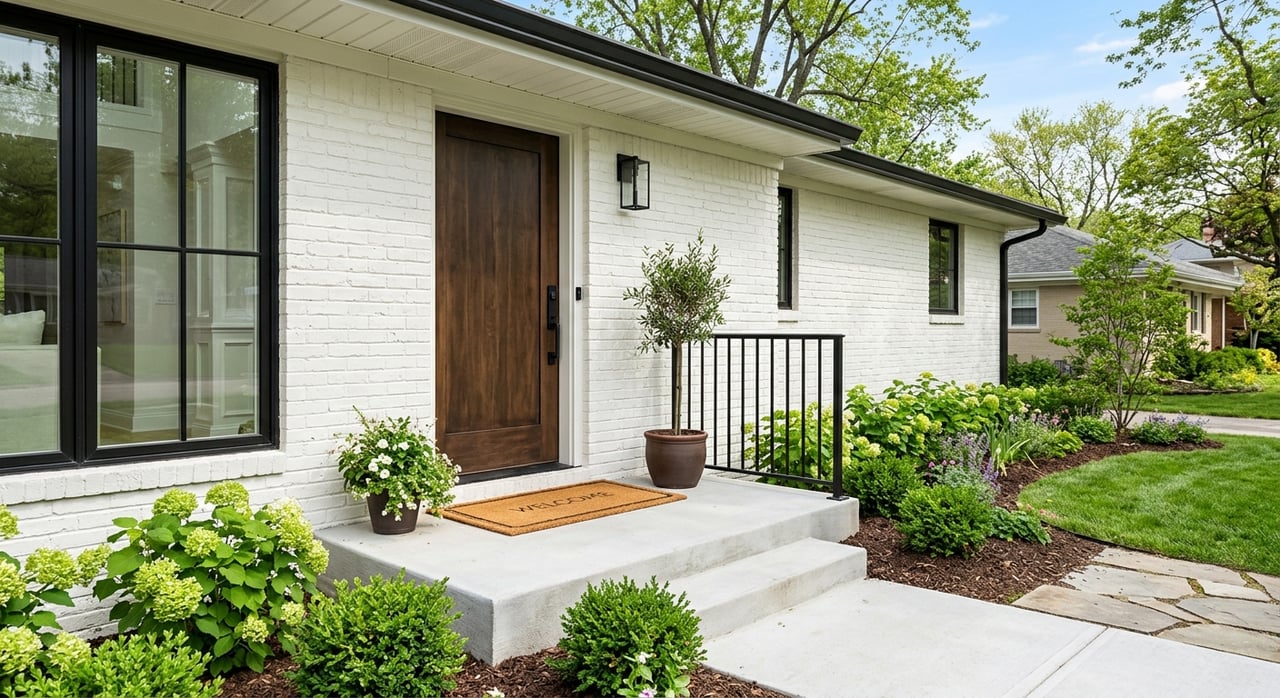
In the Heights, exterior condition also carries extra weight because many homes feature wood siding, porches, trim, and windows that are easy to see from the street. The city’s historic district guidance notes these common architectural features, and they are often part of what gives the neighborhood its appeal. When those details look worn, buyers tend to notice.
Focus first on repairs that make the home look cared for and reduce buyer concern. Peeling paint, rotted trim, damaged porch elements, soft siding, and worn lattice can make a solid house feel higher risk than it really is. A clean, well-maintained exterior helps buyers feel more confident before they ever step inside.
This step is easy to miss, and it can create delays if you skip it. If your property is located inside one of the city-designated Houston Heights historic districts, exterior changes may require advance approval. The city notes that a Certificate of Appropriateness and neighborhood association review may also apply depending on the work.
That means you should confirm the rules before replacing windows, altering siding, changing porch details, or making other visible exterior updates. You can review the city’s Houston Heights historic district information and design materials before starting work. Taking this step early can save you time, money, and last-minute stress.
Once water intrusion and exterior trouble spots are under control, turn to the items most likely to come up during inspection. HUD materials identify common repair and inspection categories such as roofs, gutters, plumbing, HVAC, and electrical systems. In other words, these are the systems buyers and inspectors usually watch closely.
This does not mean you need to rebuild your whole house before listing. It does mean you should fix clear defects that suggest deferred maintenance or raise safety concerns. Buyers have become less willing to compromise on condition, and the NAR remodeling report found that 46% of REALTORS said buyers are less willing to compromise on a home’s condition.
If your HVAC struggles, plumbing leaks are visible, or electrical issues are obvious, buyers may worry the house will bring expensive surprises after closing. Addressing these items upfront can lead to stronger offers and fewer repair negotiations later.
Termites are worth checking before you list, especially in older wood-frame homes. Texas A&M AgriLife notes that Texas is one of the most at-risk states for termite infestations, and drywood termites occur throughout the southern United States. Two warning signs they highlight are swarming termites inside the home and the presence of fecal pellets.
In a neighborhood where many homes include original or long-standing wood components, buyers may be especially alert to signs of pest damage. If you have seen suspicious wood damage, insect activity, or pellet-like debris, it is smart to investigate before showings begin. A pre-listing termite check can help you avoid a surprise that affects buyer confidence.
You can learn more from Texas A&M AgriLife’s guidance on termite risks and signs.
If your Heights home was built before 1978, lead-based paint may be a factor. The EPA says homes built before 1978 are more likely to contain lead-based paint, including 87% of homes built before 1940 and 24% of homes built between 1960 and 1978. In a neighborhood with many older homes, this is a practical issue to keep on your radar when planning prep work.
This does not automatically mean you need a major project before listing. It does mean you should be thoughtful about repairs that disturb painted surfaces, especially sanding, scraping, or renovation work. The EPA’s lead paint overview is a useful starting point if you are unsure how age and condition may affect your home.
Many sellers assume they need a dramatic kitchen or bathroom renovation to compete in the Heights. In reality, the better move is often a focused, practical prep plan. According to NAR’s 2025 seller-prep data, painting and roofing rank ahead of major kitchen and bath projects as pre-list priorities.
That does not mean kitchens and bathrooms do not matter. It means large remodels are usually most helpful when they solve a clear problem like damage, severe wear, or a layout issue that buyers will struggle to overlook. If the space is functional, clean, and presentable, your money may go further in repairs, paint, and presentation.
Once the core repair items are handled, shift your attention to the spaces that shape first impressions indoors. NAR’s 2025 staging research found that 83% of buyers’ agents said staging helps buyers visualize the property as a future home, and 49% of sellers’ agents said staging reduced time on market.
The same research says the rooms buyers care about most in staging are the living room, primary bedroom, and kitchen. That makes your interior punch list easier to build. Clean those rooms thoroughly, remove clutter, simplify furniture placement, and use neutral paint where needed.
NAR also reports that the most common seller recommendations include decluttering, cleaning, and improving curb appeal. These steps are usually more affordable than major remodeling and can still make a strong impact.
If you want a simple way to prioritize, follow this practical order based on local rules and national seller-prep research:
This approach helps you handle the issues most likely to affect buyer confidence, inspections, and time on market. It also keeps you from overspending on cosmetic upgrades before the basic condition of the home is squared away.
The Heights is not a one-size-fits-all market. Some homes are historic, some are heavily renovated, and some are newer infill construction sitting next to century-old properties. That mix can make pre-list decisions harder, especially when you are trying to figure out what is cosmetic, what is structural, and what may require permits or historic review.
That is where experienced guidance can make a real difference. With Danny Garcia’s background in construction, mortgage lending, banking, and investment, you can get practical insight into which repairs are worth doing before you list and which ones may not move the needle enough to justify the cost.
If you are getting ready to sell in Greater Heights and want a smart, market-ready repair plan, connect with Danny Garcia for clear guidance tailored to your home and your goals.
Stay up to date on the latest real estate trends.
Real Estate
Danny Garcia | October 8, 2026
Real Estate
Danny Garcia | October 8, 2026
April 23, 2026
April 16, 2026
April 2, 2026
March 24, 2026
March 5, 2026
February 19, 2026
February 5, 2026
You’ve got questions and we can’t wait to answer them.