A Roadmap for Kingwood First Time Homebuyers
March 24, 2026
March 24, 2026
Buying your first home in Kingwood can feel both exciting and overwhelming. You want a solid starter home at a fair price, but you also want to avoid surprises around inspections, flood history, or HOA fees. In this guide, you’ll get a clear, local roadmap: what starter homes typically cost, how to do smart flood and inspection checks, which financing and down‑payment programs to consider, and a simple step‑by‑step plan from preapproval to closing. Let’s dive in.
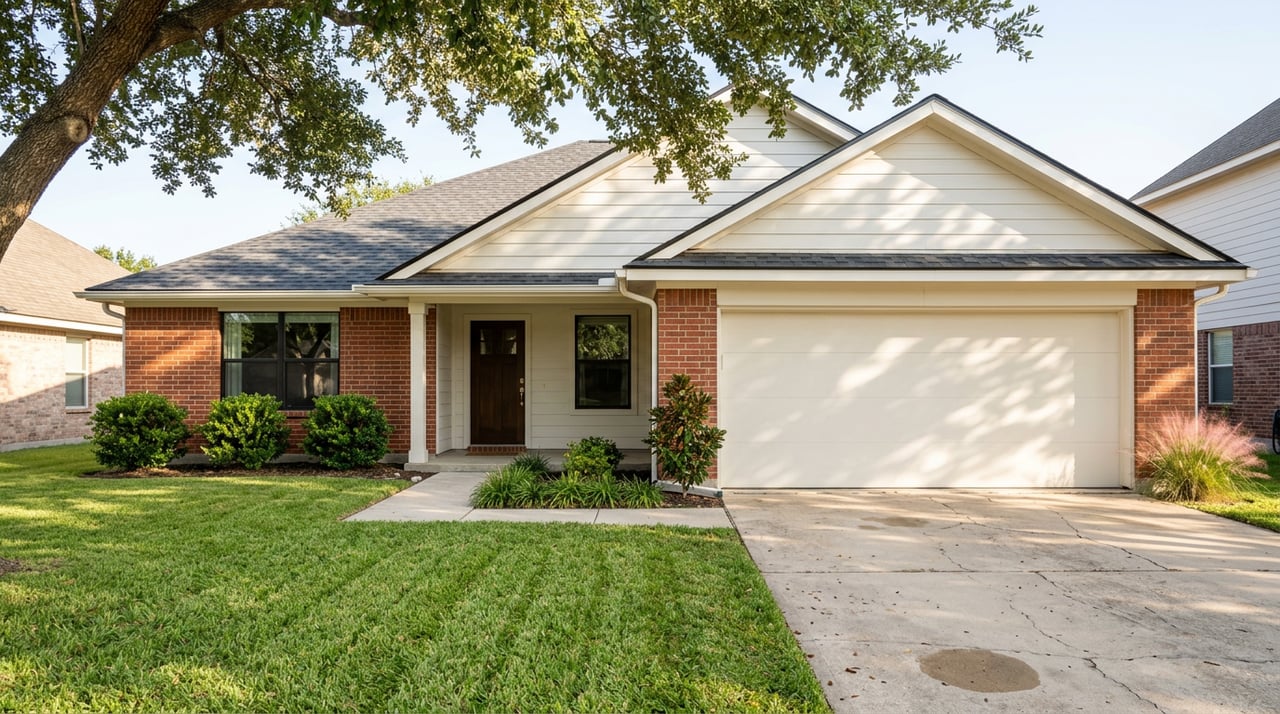
If you are shopping for a starter home in Kingwood, you will mostly see single‑family houses with 2 to 4 bedrooms and about 1,200 to 2,000 square feet. Many are 3‑bed, 2‑bath homes that fit first‑time buyer budgets. As of late February 2026, average home values sat around the low to mid $300ks by major trackers, with sold prices often in the mid $300ks. You can still find entry‑level options starting near the low $200ks depending on condition, location, and flood history.
Market pace varies by price band and condition. Recent snapshots showed a median time to go under contract of roughly two months, though well‑priced, updated homes can move faster. Expect differences across Kingwood’s villages, plus price impacts based on proximity to parks and greenbelts. Plan your search with those tradeoffs in mind and build in time for thorough due diligence.
Kingwood is a master‑planned community made up of multiple villages. Most of the housing stock dates from the 1970s through the 1990s, with some newer infill and many updated homes. You will find common floor plans like one‑story ranch and traditional two‑story homes on slab foundations with attached garages. Trails, parks, and greenbelt access are a hallmark of the community and can influence demand and resale value.
Because of the neighborhood ages, you should expect to ask about roof age, HVAC life cycle, electrical panel types, and any previous flood repairs. Most Kingwood addresses are served by Humble ISD. If schools, commute time, or specific amenities matter to you, confirm zoning and routes for each property before you make an offer.
Buying in Kingwood calls for standard inspections plus focused flood checks. The community sits near Lake Houston and several creeks, and some properties have a history of flood events. A smart plan helps you buy with confidence.
For background on flood mapping, see this primer on FEMA’s Flood Insurance Rate Maps: how flood maps change and what they mean. For the legal framework on seller flood disclosures, review Texas Property Code §5.008.
Hire a licensed home inspector who follows Texas and InterNACHI standards. Your general inspection should cover roof, foundation and slab movement, attic insulation and ventilation, HVAC performance and serial ages, water heater, visible plumbing lines, and electrical service capacity and panel safety. A refresher on moisture and mold risks from InterNACHI can help you ask the right questions: moisture and inspection basics.
Depending on the home’s age and any flood history, add targeted scopes:
Any of these should trigger specialist inspections and a deeper document review.
Most Kingwood villages have a homeowners association, and the Kingwood Service Association (KSA) manages shared amenities like major parks, greenbelts, and nature areas. Village HOAs often oversee pools and local parks, while KSA membership through your village helps fund the broader community network. Access to trails and parks can be a meaningful lifestyle benefit and may support long‑term resale value.
HOA costs vary. Some communities collect annual assessments, others have monthly dues, and transfer or estoppel fees may apply at closing. Before removing an HOA contingency, request and review the full resale packet: CC&Rs, bylaws, recent budgets, reserve study, insurance policies, board minutes, and any special assessment history. For a sense of what to expect in a resale packet, review this outline of HOA disclosure documents and resale certificates.
Key HOA red flags include low reserves, pending litigation, recent large special assessments, and rental restrictions that could impact your future plans. If anything is unclear, ask for written clarifications and consider a real estate attorney for complex questions.
You have several paths to get into a Kingwood starter home with a manageable down payment. Program rules and funding change often, so always confirm details with an approved lender and program administrator.
FHA loans. FHA financing allows qualified buyers to put as little as 3.5% down, with mortgage insurance. Learn the basics on the FHA loan overview, then compare offers with multiple lenders.
VA loans. Eligible veterans and some service members can buy with no down payment using a VA‑backed loan. Start with the VA eligibility guide.
USDA loans. Some areas qualify for USDA Single‑Family Housing programs that offer 100% financing for eligible borrowers and properties. Check address eligibility with a lender and review the USDA guaranteed loan program.
State down‑payment assistance (DPA). Texas offers programs through TDHCA that can pair a mortgage with down‑payment and closing cost assistance. See My First Texas Home for current options, limits, and approved lenders.
Nonprofit state options. TSAHC provides grants or forgivable second liens for eligible buyers, plus mortgage credit certificates in some cases. Explore the TSAHC home buyer programs to compare paths and requirements.
Conventional low‑down options and PMI. Some conventional loans allow 3% down for first‑time buyers. Smaller down payments typically come with private mortgage insurance, which increases your monthly payment. A larger down payment can reduce or remove PMI.
Important: City and county homebuyer assistance is location‑specific. Programs run by the City of Houston or Harris County require you to buy within their boundaries and meet income and purchase‑price limits. Confirm your property’s location relative to program maps and speak with an approved lender or housing counselor early.
Follow this simple path to move from browsing to closing with fewer surprises.
Ask your lender for a fully underwritten or documented preapproval, not just a quick prequalification. This verifies your income, assets, and credit so your offer carries more weight. Learn why underwritten preapproval matters in this short explainer: how preapproval strengthens offers.
Decide on a target price range and include a cushion for closing costs and early home expenses. A simple rule of thumb is to plan for about 2 to 5% of the purchase price for closing costs, depending on loan type and taxes. Build room in your budget for inspections, appraisal, and immediate small repairs. For a quick overview of likely inspection line items, see this buyer checklist: what inspectors look for.
Tour across a few Kingwood villages and compare commute routes, park access, and HOA rules. If school zoning matters to you, confirm the specific campus assignments through the district before you offer. Request HOA documents early to avoid surprises on fees, amenities, and restrictions. Keep notes on each area so you can compare tradeoffs confidently.
Run the address through the FEMA or community map tool and ask the seller for written flood disclosures and any elevation certificates. If the property is in an SFHA and your lender is federally regulated, flood insurance will be required. Read more about how FEMA maps work here: understanding FIRM changes. Get a flood insurance quote early so it is in your payment estimate.
Schedule a general inspection with a licensed professional who follows InterNACHI or TREC standards. Based on age and condition, add a sewer scope, termite inspection, and moisture or mold testing. Ask your inspector to estimate near‑term expenses for roof, HVAC, water heater, and foundation. Use your inspection contingency to request repairs or credits as needed. Quick background reading: InterNACHI moisture and mold basics.
Read the CC&Rs, bylaws, budgets, reserve study, insurance, meeting minutes, and any assessment history. Confirm transfer or estoppel fees and any membership transfers that apply to amenities. If something looks unclear or underfunded, ask questions and consider professional advice. Here is an outline of what is usually included: HOA disclosures and resale certificates.
If you plan to use DPA, some programs require pre‑application, homebuyer education, and program‑approved lenders. Coordinate early with your lender so timelines line up. Review options at My First Texas Home and TSAHC’s buyer programs. Get final loan approval and, if needed, a flood insurance quote before you clear contingencies.
Confirm that all negotiated repairs are complete or that credits are properly documented. Line up homeowner’s insurance and flood coverage if required, plus utility transfers. Review how property taxes and prorations work for Harris County so escrowed payments match your budget. For a primer, read the HCAD guide to the property tax process.
Your monthly payment includes principal and interest, property taxes, homeowner’s insurance, and any HOA dues. If you use a low‑down conventional loan and put less than 20% down, you will likely have private mortgage insurance. If the property requires flood coverage, add that policy premium to your estimate. Ask your lender to produce a scenario that includes HOA dues and, if applicable, flood insurance so you have a clear, all‑in monthly number.
You deserve more than door‑opening. With a founder who has deep construction, lending, and investment experience, we help you read inspection reports, spot value in light renovations, compare financing, and plan long‑term wealth. We also bring local, village‑level knowledge so you can weigh parks and trails, HOA rules, and flood considerations with context. If you want patient, step‑by‑step guidance from search to closing, we are here to help.
Ready to start your Kingwood search with a trusted local team? Contact Liv Texas to map your plan and tour the right starter homes.
Stay up to date on the latest real estate trends.
Real Estate
Danny Garcia | October 8, 2026
Real Estate
Danny Garcia | October 8, 2026
April 23, 2026
April 16, 2026
April 2, 2026
March 24, 2026
March 5, 2026
February 19, 2026
February 5, 2026
You’ve got questions and we can’t wait to answer them.