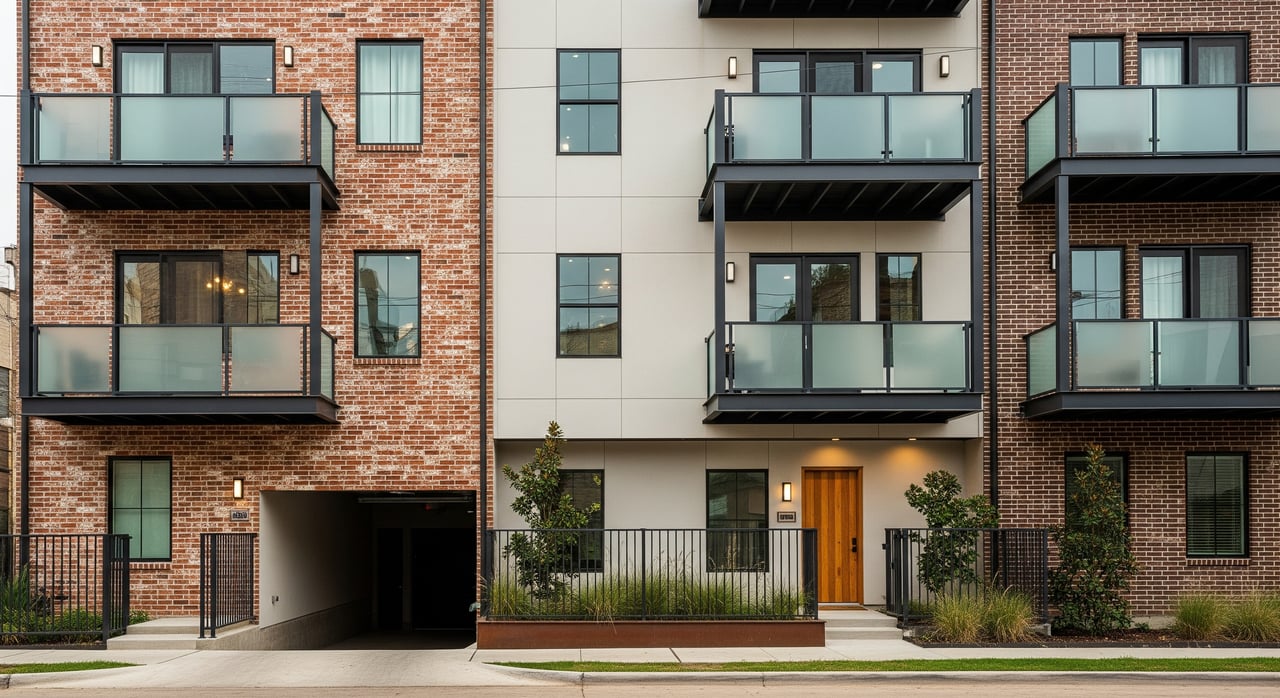
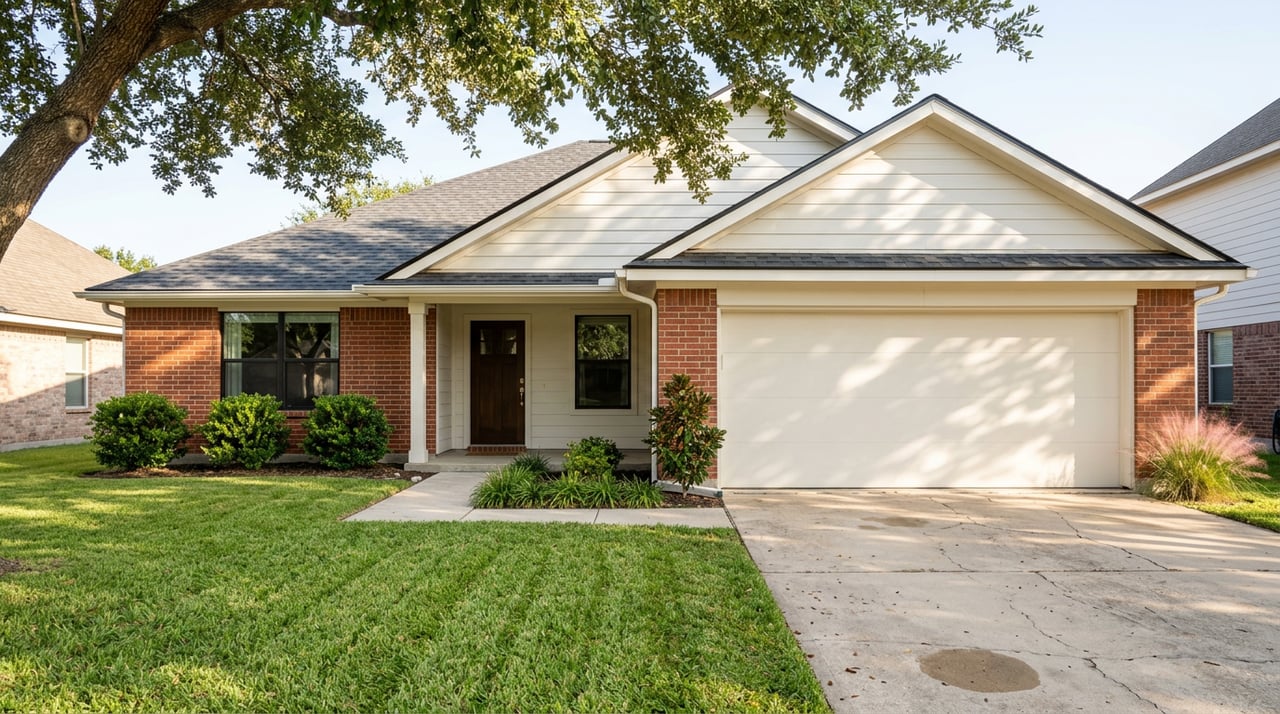
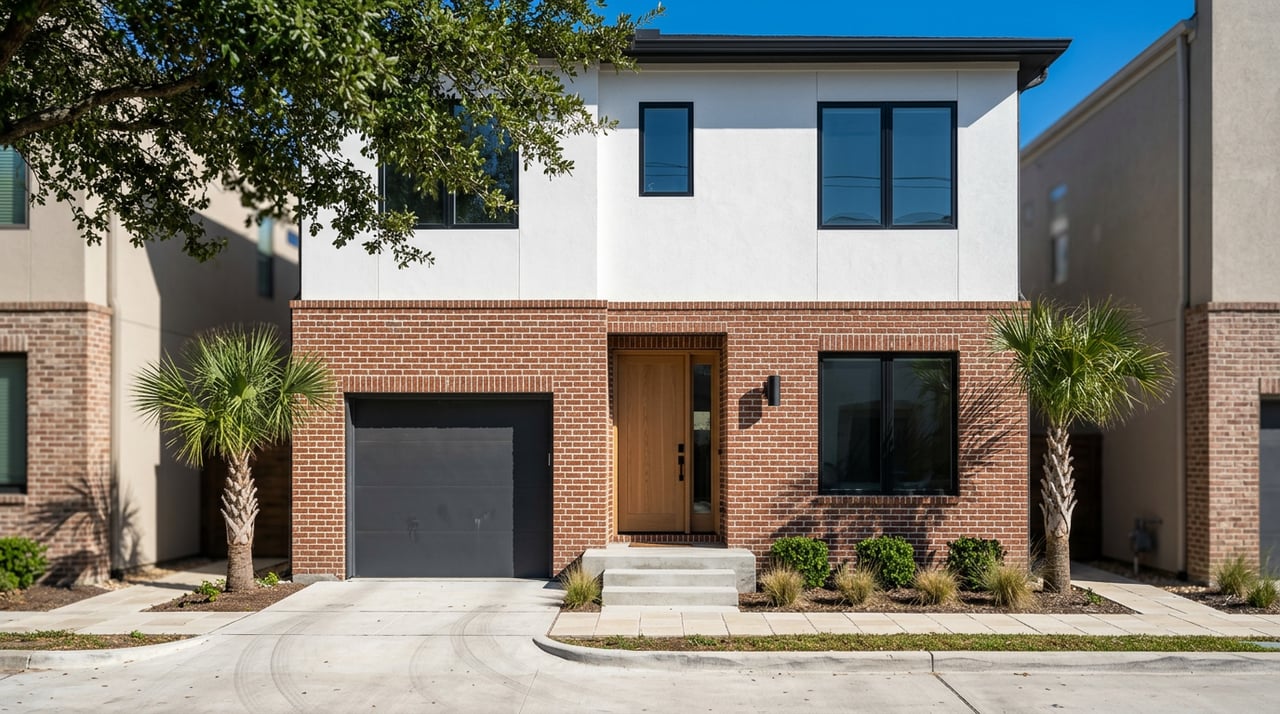
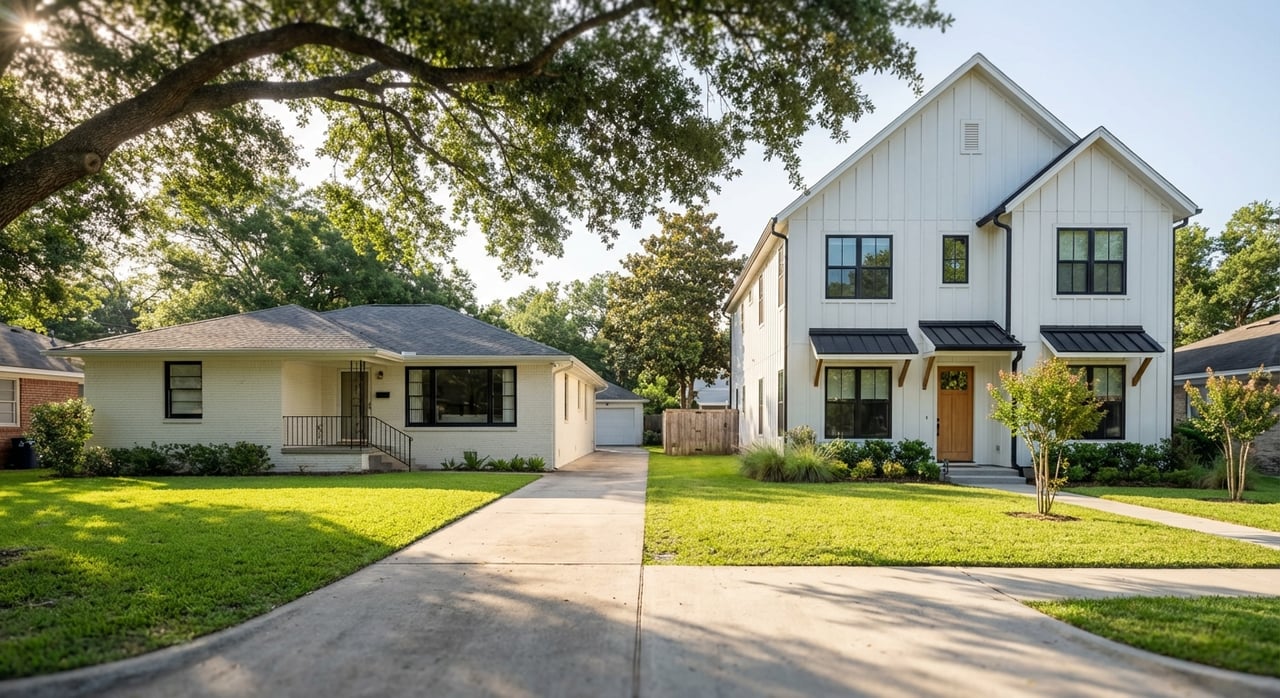
You found the perfect EaDo townhome, but the HOA documents feel like a different language. You are not alone. In East Downtown, HOA rules can shape your monthly costs, your day-to-day living, and even your resale options. This guide explains how EaDo townhome HOAs work, what dues usually cover, which documents matter, and how to protect yourself during the purchase timeline. Let’s dive in.
How EaDo townhome HOAs work
EaDo sits just east of Downtown Houston and blends converted warehouses, newer infill townhomes, and small-lot single-family homes. Many townhome communities here formed in the 2000s through the 2020s and are designed for low-maintenance urban living. That convenience often comes with an HOA that handles shared spaces and sets community rules.
Fee-simple vs condo-style townhomes
You will typically see two structures in EaDo:
- Fee-simple townhomes in an HOA. You own the lot and the building. The HOA maintains defined common elements like internal streets, shared landscaping, perimeter fencing, and sometimes parts of the building exterior, depending on the covenants.
- Condominium-style townhomes. Less common in EaDo. You own the interior of your unit plus an undivided interest in common elements. The association is usually responsible for exterior and structural components and common-area insurance.
Why the form matters for you
The ownership form changes your insurance, maintenance, and financing. In many condo projects, the master policy covers the building exterior, and you carry interior coverage. In many fee-simple HOAs, you cover your own exterior items like the roof unless the CC&Rs say otherwise. Lenders may also review condo projects at the association level. Always confirm the property’s form before you make financing and insurance decisions.
What your dues usually cover
HOA dues vary across EaDo. What they include depends on the size of the community, the level of services, and whether the streets and amenities are private. Always request the current budget and recent financials to see exactly where the money goes.
Common inclusions:
- Landscaping for shared areas and irrigation
- Maintenance of private streets and lighting
- Perimeter fencing or walls and common drainage systems
- Trash pickup in some associations
- Reserve contributions for future repairs
- Management fees and common-area utilities
- Master insurance for common elements and liability
Special assessments and reserves
Associations charge regular dues and sometimes special assessments for big projects or emergencies. Ask for the latest reserve study if available, or ask about the history of special assessments if no study exists. Underfunded reserves can lead to surprise costs, so review how the budget funds future repairs.
Transfer and administrative fees in Texas
Many HOAs charge transfer fees, resale certificates or estoppel fees, and application fees during a sale. Confirm amounts early and clarify who pays what at closing. Your title company and the listing documents usually outline these items.
Who maintains what
Maintenance splits are defined in the CC&Rs and rules. Do not assume roof, siding, or exterior paint are HOA responsibilities. Confirm in writing.
Typical patterns you may see:
- HOA responsibilities. Streets inside the community, exterior lighting, shared landscaping, perimeter fencing or walls, common drainage, and in some condo-style projects, exterior building shells and roofs.
- Owner responsibilities. Interior finishes, fixtures and systems inside the unit, and often private decks, patios, front stoops, and sometimes driveways or garage doors.
Utilities and services
Trash and recycling may be included or individually billed. Irrigation for shared landscaping is usually covered by the HOA. Interiors often have individual meters, so you cover your unit’s water and utilities.
Response times and vendor quality
Urban buyers often want a low-maintenance lifestyle. Review any vendor contracts or maintenance standards to see how requests are handled and the typical response time for items like roof leaks or pest control. If you expect quick service, confirm the HOA’s actual process.
Rules that affect daily life
HOA rules shape your routine and can impact future resale. Read them closely.
- Parking. On-street parking in EaDo can be tight. Confirm guest parking policies, garage requirements, and any neighborhood permit rules that may apply.
- Rental limits. Some associations limit rentals or require minimum lease terms. Strict caps reduce the investor pool, which can change resale dynamics.
- Short-term rentals. Many urban HOAs restrict or prohibit short-term rentals. If rental flexibility matters to you, verify any restrictions and recent amendments.
- Pets, noise, and nuisance rules. Rules and enforcement standards vary. Review them to ensure they fit your lifestyle.
- Architectural controls. Exterior changes, paint colors, rooftop decks, and fences often require approval. In the City of Houston, you may also need permits for certain work. Expect to follow both city and HOA processes where applicable.
How HOA health affects resale and financing
Strong governance and clean finances help protect your investment. Weak finances can limit buyer financing and lead to unexpected costs.
- Investor and owner-occupant balance. Rental caps can reduce investor demand. That can support stability for owner-occupants but may narrow your resale buyer pool.
- Parking restrictions. Limited guest parking or strict rules can lower appeal in a dense urban market.
- Lender reviews. Some lenders review project-level data, especially for condo-structured properties. High delinquencies or low reserves can trigger lender concerns.
- FHA and VA. Condo projects may need FHA or VA approvals for those loans. Verify early with your lender so you are not surprised later.
Your document checklist
Ask for these documents during your option or review period. They are your roadmap for obligations, costs, and risks.
- Declaration or CC&Rs. Defines owner duties, assessment powers, rental limits, use rules, and architectural approvals.
- Bylaws and Articles of Incorporation. Explain board authority, elections, and meeting rules.
- Rules and Regulations and architectural guidelines. Detail day-to-day policies for parking, pets, noise, and modifications.
- Current budget and 2 to 3 years of financials. Show income, expenses, reserve contributions, and reserve balances.
- Reserve study or capital repair plan. Indicates readiness for major items like roofs or paving.
- Minutes from the last 12 to 36 months. Reveal maintenance backlogs, disputes, planned projects, and special assessments.
- Insurance certificate and master policy summary. Clarify coverage, deductibles, and what owners must insure.
- Delinquency and collections reports. Show whether owners are paying on time.
- Management contract and vendor agreements. Indicate how services are handled and the scope of responsibilities.
- Estoppel or resale certificate. Confirms current dues, balances, pending assessments, violations, and transfer fees.
- Litigation disclosures and pending claims. Lawsuits can drain reserves and impact future assessments.
What to scan for and red flags
- No reserve funding or a study showing underfunding
- Rising delinquencies or frequent collections
- Frequent or large special assessments in recent years
- Ongoing litigation with significant potential exposure
- Ambiguity about who pays for roofs, siding, or structural items
- Rules that conflict with your intended use, like strict rental bans
- Poor common-area upkeep or reports of unresponsive management
Due diligence timeline in EaDo
A thoughtful process protects you while you are under contract. Build time into your offer to review documents and consult your lender.
Before making an offer
- Ask the listing agent for the HOA fee, management company name, and any recent special assessments.
- Confirm whether the property is fee-simple or condominium style.
- Verify parking arrangements and whether the HOA is professionally managed or self-managed.
Offer stage and contingencies
- Include an HOA document review contingency. Seven to fourteen days is common and gives you time to evaluate.
- Require the seller to provide the estoppel or resale certificate within a set number of days.
- Set clear timelines for document delivery so your review period does not stall.
During the contract period
- Read the CC&Rs, rules, budget, minutes, insurance summary, and estoppel. Make a written list of questions.
- Ask your lender about any HOA items that could affect your loan, such as condo approvals or delinquency ratios.
- If planned capital projects or special assessments are disclosed, consider negotiating a credit or an escrow for the obligation.
- Contact the management company or board with clarifying questions about repairs, vendor response, or pending litigation.
- If flood risk is a concern, review FEMA and Harris County Flood Control information and consider elevation details and insurance options.
Before closing
- Get an updated estoppel close to closing to capture current balances and any new assessments.
- Confirm transfer of dues and whether any seller violations must be cured.
- Verify your individual insurance requirements based on the master policy.
Local EaDo considerations
EaDo’s urban feel comes with site-specific factors to verify as part of your HOA review and inspection plan.
- Flood and drainage. Flood risk can vary block by block due to proximity to Buffalo Bayou and low-lying areas. Confirm whether the HOA maintains any shared drainage systems and understand elevation and insurance needs.
- Parking and street access. On-street parking is often limited. Know where guests can park, how garage access works, and whether any neighborhood permits or street-sweeping schedules affect you.
- Permits and code. Some exterior improvements may require both City of Houston permits and HOA approval. Check for any open permits or recent code issues in the seller’s disclosures.
Smart buyer moves with Liv Texas
You can navigate HOA documents with confidence when you follow a clear process. Confirm the ownership form, study the budget and reserves, verify who maintains the roof and exterior, and plan your financing timeline with your lender. The right due diligence can prevent surprise costs and support better resale outcomes.
If you want a second set of eyes on your HOA documents, vendor contracts, or master insurance summary, our team is ready to help you translate the fine print into practical next steps for your budget and lifestyle. Reach out to Liv Texas to talk through your goals and map a smart path to your EaDo townhome.
FAQs
In EaDo townhomes, will my HOA pay for the roof?
- It depends on the ownership form and the CC&Rs; condo projects often cover roofs while many fee-simple townhomes make the owner responsible, so confirm in writing.
How much are HOA dues in EaDo townhome communities?
- Dues vary based on services and reserves; get the current amount, review the budget to see what is included, and check reserve funding levels.
Can an EaDo HOA levy a special assessment after I buy?
- Yes, most governing documents allow boards to levy special assessments subject to procedures and any member vote requirements listed in the bylaws.
Are short-term rentals allowed in EaDo townhome HOAs?
- Rules vary by association; many urban communities restrict or ban short-term rentals, so read the rules and any recent amendments closely.
Can HOA issues affect my mortgage approval for a townhome?
- Yes, serious HOA financial problems, high delinquencies, or condo projects without required approvals can limit FHA, VA, or other financing options.
What if the HOA is self-managed instead of professionally managed?
- Self-managed HOAs can have lower costs but may offer less standardized accounting or slower documentation; factor this into your review and timelines.